Introduction
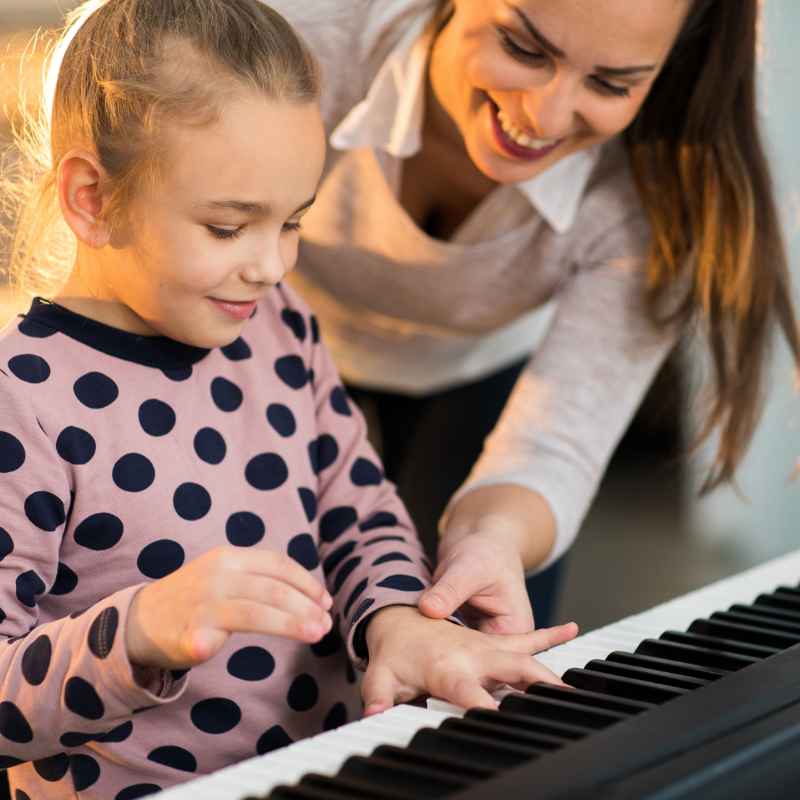
Introducing a child to piano between the ages of 5 and 7 can be the beginning of a lifelong relationship with music. At this age, kids are often curious, eager to learn, and capable of building the basic skills needed to enjoy and grow in their musical journey. But to make the most of these early lessons, it’s important to approach piano learning in a way that matches how children naturally engage, explore, and thrive.
If you’re a parent considering private piano lessons — or even thinking ahead about group music opportunities like The Rock and Pop Music Academy at The Lesson Studio in Boulder — this guide will walk you through what works best for young beginners and how to find a teacher who will help your child succeed.
Why Start Piano Lessons Between Ages 5 and 7?
This age range is ideal for starting piano for several reasons. Kids are beginning to develop stronger fine motor control, their attention spans are growing, and many are just starting to read or recognize patterns. These are all key skills that carry over naturally into piano learning.
Just as importantly, kids at this age are open to trying new things. If you can make music feel exciting and positive right from the beginning, you set the stage for years of continued interest.
I’ve seen this firsthand with students at The Lesson Studio. A few minutes of musical exploration — pressing keys, hearing sounds, and figuring out what makes a song — can spark huge excitement, especially when kids realize they’re creating something all on their own.
Best Practices for Teaching Piano to Young Kids
1. Keep Lessons Short, Frequent, and Fun
For kids this age, a 30-minute lesson is plenty — and even that should include plenty of variety. Some kids can focus longer, but most do best with short, focused bursts of learning mixed with fun games or movement activities.
At home, five to ten minutes of practice each day is a great start. It’s far better than trying to cram everything into a once-a-week session. Regular, low-pressure practice builds comfort with the instrument without creating stress.
2. Let Them Explore First
The first few lessons shouldn’t be about perfect hand position or note reading. Let kids play around a little. Teach them where middle C is. Let them try playing soft and loud. Show them what the pedals do. That sense of discovery keeps them engaged and curious.
One of our instructors likes to start new students with a “musical scavenger hunt”– finding all the groups of two black keys, then three, then tracing a little melody on just the white notes. It’s amazing how even that simple activity gets kids feeling like musicians from the start.
3. Use Stories, Movement, and Games
A great piano lesson for a 5- or 6-year-old often looks more like play than a formal class. That’s because children learn best when they’re engaged on multiple levels — physical, emotional, and cognitive.
Use songs with lyrics that tell stories. Use animal characters to teach finger numbers or note names. Get kids up from the bench and marching or clapping to the beat. These activities reinforce musical skills in a way that sticks.
4. Focus on Patterns Before Notation
While some students might be ready to read notes right away, many are more successful when they begin with patterns. That could mean learning simple five-note finger positions, repeating rhythmic patterns by clapping, or playing along with a familiar tune by ear.
Notation can come later — and when it does, it’ll make more sense if it connects to things they already know how to do.
5. Celebrate Small Wins
Young students thrive on positive feedback. Instead of waiting until a piece is perfect to celebrate, acknowledge their effort. If they remembered to keep curved fingers today, that’s a win. If they practiced four days this week, that’s a win.
Praising progress helps build confidence and motivation, which are key to developing good practice habits and long-term success.
How to Find the Right Piano Teacher for Your Child
A great piano teacher for young kids is part musician, part educator, and part magician. They can make the fundamentals of piano feel like an adventure and know how to meet a child at their level without pushing too hard or going too fast.
What to Look For:
- Experience with Young Beginners: Not every great pianist is a great teacher for kids. Look for someone who has worked with this age group before and can explain concepts in age-appropriate ways.
- Patience and Creativity: Your child’s first music teacher should be someone who can roll with distractions, use creative tools to teach, and adapt lessons when a student needs something different.
- Balance of Structure and Fun: Some structure is important — children need routine and clear expectations — but lessons should also leave room for fun, games, and joyful learning.
- Good Communication with Parents: A teacher should be able to tell you how your child is doing, what to practice, and how to support music learning at home without it becoming a battle.
Try a Trial Lesson
If you’re unsure, schedule a trial lesson. Watch how your child responds. Does the teacher connect with them? Are they having fun? Are they learning even a little?
At The Lesson Studio, we offer the opportunity to meet with teachers before committing so families can find the best fit for their needs. The right match makes all the difference — especially at this age.
When Piano Leads to More Music
As your child grows, piano can open the door to all sorts of other musical opportunities. Many of our young piano students go on to explore other instruments, songwriting, or even join a band through the Rock and Pop Music Academy.
Even if they don’t stick with piano forever, they’ll have built the musical foundation — listening skills, rhythm, pattern recognition — that helps with any kind of musical path.
We’ve had students who started with piano at age 6 and by middle school were singing and playing guitar in bands, writing their own songs, and performing live shows. It all started with a few notes and a good first teacher.
Final Thoughts
Piano lessons for kids ages 5 to 7 should be full of fun, movement, exploration, and music that feels like a joy to play. With the right approach and the right teacher, your child can build skills, confidence, and a lifelong love of music.
If you’re looking to get started with private piano lessons in Boulder, or want to explore group music opportunities for your child, we’d love to help. Visit The Lesson Studio to learn more or schedule a trial lesson today.
Let’s start your child’s musical journey with a solid and joyful foundation.
Don’t forget to share this post.

Beyond the Box: Why Practicing Guitar Scales Unlocks Real Music (And How to Do It in 15 Minutes a Day)
You’ve likely conquered your basic open chords, figured out how to shift between G, C, and D...
Never Look Down Again! How to “Blind Read” Piano Keys with Pure Muscle Memory
It’s 4:30 on a Tuesday afternoon. Outside, the sun is cutting across the Flatirons, illuminating...
Bill McKay: A Lifetime of Listening, Playing, and Showing Up
Bill McKay has spent a lifetime making music. From singing professionally at six years old to...

Stephen Oskay, Bringing Music and Community to Downtown Boulder
If you have spent much time in Boulder, chances are you have experienced something Stephen Oskay...
Mikaela Gregg and the Growing Event Scene in Superior, Colorado
In just a few short years, the Town of Superior has transformed its community events calendar from...
Rebecca Folsom, Songwriter, Performer, and Storyteller
For several decades, Rebecca Folsom has built a career rooted in songwriting, performance, and...

Pete Lewis of Muse Performance Space, A Home for Creative Music in Lafayette
Since opening its doors in 2018, Muse Performance Space in Lafayette, Colorado has become one of...

Bridget Law, Waldorf Strings Teacher, Performer, and Champion of Musical Joy
For more than two decades, Bridget Law has built a career as a performer, arranger, and recording...
Ian Arras, Recording Arts Student, Performer, and The Lesson Studio Alum
Ian Arras is part of a growing generation of musicians building careers through versatility,...
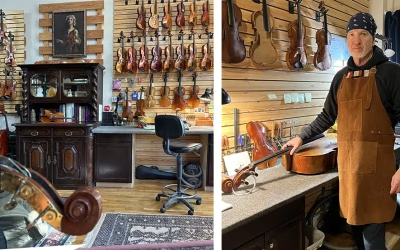
James Connell, Founder of Sol Vista Violins
For more than three decades, James Connell has supported the musical growth of students, families,...