Introduction
This guide will break down the key differences between acoustic and electric guitars in a simple, beginner-friendly way so you can decide what’s right for you.
? Key Differences Between Acoustic and Electric Guitars
Acoustic Guitar Features
Hollow wooden body that naturally projects sound
Sound hole amplifies the vibration of the strings
Typically uses thicker strings for a warm, rich tone
No amp or extra gear required to play
Electric Guitar Features
Solid body that relies on pickups to convert sound into electric signals
Requires an amplifier to be heard at full volume
Thinner strings and slimmer neck for easier playability
Supports sound effects like distortion, reverb, and delay
? How Acoustic and Electric Guitars Sound
Acoustic Guitar Sound
The sound is created naturally by the vibration of the strings through the wood and out the sound hole.
Great for: Folk, country, classical, singer-songwriter
Tone range: Depends on body size and wood type
Example: A dreadnought guitar sounds loud and boomy, while a parlor guitar is lighter and brighter.
Electric Guitar Sound
Electric guitars use pickups and amps to shape the tone.
Great for: Rock, blues, metal, jazz, funk
Tone range: Easily altered using amp settings or pedals
Bonus: You can go from soft and clean to distorted and gritty with a few adjustments.
✋ Which Guitar Is Easier to Play?
Acoustic Guitar Feel
Wider neck and thicker strings
Higher action (space between strings and fretboard)
Can be harder on fingers, especially for kids or beginners
Builds finger strength and playing precision
Electric Guitar Feel
Slimmer neck and lighter strings
Lower action makes pressing strings easier
More beginner-friendly for young learners
Comfortable for soloing and fast fingerwork
? What Do You Need to Get Started?
Acoustic Guitar Setup
Acoustic guitar
Tuner
Picks
Gig bag or hard case (optional)
No power or amp needed
Electric Guitar Setup
Electric guitar
Amplifier
Instrument cable
Tuner, strap, picks
Optional: effects pedals for more sounds
Higher upfront cost but more tonal control
? Music Styles & Use Cases
Choose an Acoustic Guitar if you:
Love folk, classical, or singer-songwriter music
Want to play unplugged or at small gatherings
Prefer simplicity and portability
Choose an Electric Guitar if you:
Want to play rock, metal, blues, funk, or pop
Plan to join a band or perform live with gear
Enjoy experimenting with sound effects and tone
? Acoustic vs Electric Guitar: Cost Comparison
| Guitar Type | Initial Cost | Gear Needed | Total Cost (Est.) |
| Acoustic | Lower | Minimal | $150 ~ $300 |
| Electric | Higher | Amp., Cable | $250 ~$500+ |
Beginner electric bundles are available and can help offset the added cost.
? Maintenance and Care
Acoustic Guitar
Change strings every few months
Wipe down body after playing
Store in a case to avoid humidity issues
Electric Guitar
Change strings regularly
Keep electronics and cables in good shape
Occasionally clean knobs and jacks to avoid crackling
?️ What About Acoustic-Electric Guitars?
Acoustic-electric guitars have built-in pickups. You can play unplugged at home or plug in for amplified sound—ideal for performers or students who want flexibility.
? Beginner Tips for Choosing a Guitar
What music inspires you? Rock fans may prefer electric; folk lovers may lean acoustic.
Age of the player? Kids often find electric easier on the fingers, but acoustic is simpler to set up.
Goals? Whether you want to jam, perform, or write songs, pick the guitar that supports that vision.
❓ FAQs
Can I switch between acoustic and electric guitar easily?
Yes! The basic skills like chords, scales, and strumming patterns transfer well.
Do I need different strings for each guitar?
Yes. Acoustic guitars use heavier strings; electric guitars use lighter gauge strings.
Can I plug an acoustic guitar into an amp?
Only if it’s an acoustic-electric. Standard acoustics are meant to be played unplugged.
Which guitar builds finger strength faster?
Acoustic guitars, due to their thicker strings and higher action.
? Final Thoughts: Choose What Inspires You
Both acoustic and electric guitars are fantastic choices for beginners. The right one for you is the one you’ll be excited to play every day.
? Ready to Start Guitar Lessons in Boulder?
Whether you’re picking up an acoustic guitar for the first time or ready to rock with an electric, The Lesson Studio in Boulder, CO has experienced instructors ready to guide your journey.
We offer personalized lessons for kids, teens, and adults—helping you build confidence, creativity, and technique.
Get started today at The Lesson Studio!
Don’t forget to share this post.

Mikaela Gregg and the Growing Event Scene in Superior, Colorado
In just a few short years, the Town of Superior has transformed its community events calendar from...

Rebecca Folsom, Songwriter, Performer, and Storyteller
For several decades, Rebecca Folsom has built a career rooted in songwriting, performance, and...

Pete Lewis of Muse Performance Space, A Home for Creative Music in Lafayette
Since opening its doors in 2018, Muse Performance Space in Lafayette, Colorado has become one of...

Bridget Law, Waldorf Strings Teacher, Performer, and Champion of Musical Joy
For more than two decades, Bridget Law has built a career as a performer, arranger, and recording...

Ian Arras, Recording Arts Student, Performer, and The Lesson Studio Alum
Ian Arras is part of a growing generation of musicians building careers through versatility,...
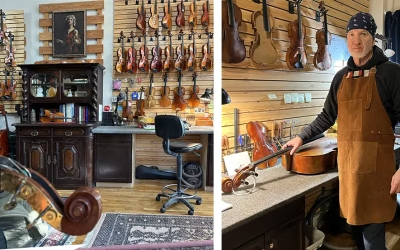
James Connell, Founder of Sol Vista Violins
For more than three decades, James Connell has supported the musical growth of students, families,...

What Voice Teachers Recommend for Young Singers Whose Voices Are Changing During Adolescence
When young singers start noticing their voices cracking, feeling different, or suddenly dropping...

Jennifer Dunn
For nearly two decades, Jennifer Dunn has inspired hundreds of young musicians across the Boulder...

Trace Bundy
For more than two decades, Trace Bundy has been captivating audiences around the world with a...

Coming Back as an Adult to Music Lessons: Why It Will Be Much Better and More Consistent This TIme
IntroductionFor many adults, the thought of returning to music lessons stirs up a mix of nostalgia...