
Introduction
Why Instrument Care Matters
Taking a few minutes after practice to clean and maintain your instrument makes a huge difference. It prevents corrosion, improves sound quality, and avoids major repair costs later on.
Everyday Habits for Healthy Instruments
Wash and Dry Hands
Always wash your hands before playing. Oils, dirt, and bacteria left on your fingers can damage finishes and spread germs inside the instrument.
Avoid Eating or Sugary Drinks
Nothing but water during play. Food and sugary drinks leave residue inside your instrument that leads to corrosion or sticky keys.
Brass Instrument Care
Daily Routine
● Empty Moisture After playing, open all water keys to drain condensation. On larger instruments, only removing water keys doesn’t get rid of all moisture. Using a swab inside is a better approach.
● Wipe the Outside Use a soft polishing cloth to remove fingerprints and prevent oxidation.
Weekly Care
● Clean the Mouthpiece Use warm, soapy water and a mouthpiece brush once a week. Soak for 10 to 15 minutes, then rinse and dry.
● Oil Valves and Grease Slides Apply valve oil every time you play or at least three times a week. This lubricates and protects against corrosion. Slide grease keeps tuning and outer slides moving smoothly.
Monthly or Seasonal Maintenance
● “Bath Time” Cleaning Once a month or every 2 to 3 months, disassemble the instrument. Remove valves, slides, caps, and felts and soak in lukewarm, mildly soapy water. Use a cleaning snake or tube brush for the tubing. Rinse, dry, reapply oil and grease, and reassemble.
● Polishing the Finish Depending on the instrument’s finish, gently polish with a jeweller’s cloth or non-abrasive metal polish designed for lacquered brass. Take care not to remove too much material.
Annual Professional Service
Even with good routines, refrain from DIY acid baths or complex rotor cleaning. A professional checkup once a year can prevent corrosion, fix leaks, and handle delicate rotors.
Woodwind Instrument Care
Daily Routine
● Swab the Inside Always use a pull-through swab or cleaning rod immediately after playing to remove moisture and debris. This protects pads and bores from damage.
● Wipe Exterior and Tenons Lightly clean keys, bodies, and tenons with a soft cloth. Wipe down tenons and sockets to prevent moisture and buildup.
● Grease Corks and Tenons Apply cork grease sparingly to necks and joints to keep cork flexible and airtight.
Weekly-Based Maintenance
● Clean the Mouthpiece Remove and clean with warm, soapy water. Dry thoroughly before reattaching.
● Check Swab Quality Wash swabs occasionally to remove dirt and keep them fresh.
Monthly or Seasonal Upkeep
● Exterior Polishing Gently dust or lightly wipe wood and metal components. Avoid moisture on wood and use a damp cloth only if the finish is intact.
● Bore Oiling (Wood Instruments Only) For wooden instruments like clarinets or oboes, apply bore oil monthly during colder months to prevent cracking.
Biannual Technical Check-ups
● Professional Inspection Visit a technician once or twice a year for adjustments, pad checks, and deep cleaning. Replace pads or corks as needed.
Instrument-Specific Tips
Brass Instruments
● Trumpet: Oil valves each session and bathe monthly.
● Trombone: Use slide cream and water. Lock the slide when storing.
● French Horn: Avoid removing rotary valves yourself. Snake only the lead pipe.
Woodwinds
● Flute: Three-piece disassembly. Clean each section with a rod and cloth, and wipe the exterior.
● Clarinet and Saxophone: Disassemble, swab, clean mouthpiece weekly, and grease corks appropriately.
Quick Troubleshooting
● Sticky Valves or Keys: Oil valves or apply small key-oil drops. Just a drop or two is enough.
● Stuck Slides or Corks: Gently use cork grease on tenons. If metal joints stick, use a silver polishing cloth and avoid forcing parts.
● Mold or Mildew: Swab thoroughly and never store wet in the case. Seek technician help if needed.
Story Time: Why I Swab Now
I used to rush off after practice, leaving my clarinet moist inside. One day it started sounding muffled. A quick swab fixed the sound but it taught me that a minute of swabbing is worth hours of frustration later.
Tools You’ll Need Instrument Type | Essential Tools |
Brass | Mouthpiece brush, snake brush, valve oil, slide grease, soft polishing cloth |
Woodwind | Pull-through swab, cleaning rod, cork grease, mouthpiece brush, key oil, polishing cloth |
Ready to explore violin lessons for your child? Get started today at The Lesson Studio!

Don’t forget to share this post.

Stephen Oskay, Bringing Music and Community to Downtown Boulder
If you have spent much time in Boulder, chances are you have experienced something Stephen Oskay...

Mikaela Gregg and the Growing Event Scene in Superior, Colorado
In just a few short years, the Town of Superior has transformed its community events calendar from...

Rebecca Folsom, Songwriter, Performer, and Storyteller
For several decades, Rebecca Folsom has built a career rooted in songwriting, performance, and...

Pete Lewis of Muse Performance Space, A Home for Creative Music in Lafayette
Since opening its doors in 2018, Muse Performance Space in Lafayette, Colorado has become one of...

Bridget Law, Waldorf Strings Teacher, Performer, and Champion of Musical Joy
For more than two decades, Bridget Law has built a career as a performer, arranger, and recording...

Ian Arras, Recording Arts Student, Performer, and The Lesson Studio Alum
Ian Arras is part of a growing generation of musicians building careers through versatility,...
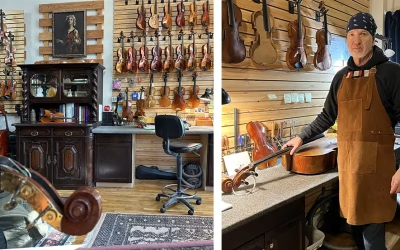
James Connell, Founder of Sol Vista Violins
For more than three decades, James Connell has supported the musical growth of students, families,...

What Voice Teachers Recommend for Young Singers Whose Voices Are Changing During Adolescence
When young singers start noticing their voices cracking, feeling different, or suddenly dropping...

Jennifer Dunn
For nearly two decades, Jennifer Dunn has inspired hundreds of young musicians across the Boulder...

Trace Bundy
For more than two decades, Trace Bundy has been captivating audiences around the world with a...