
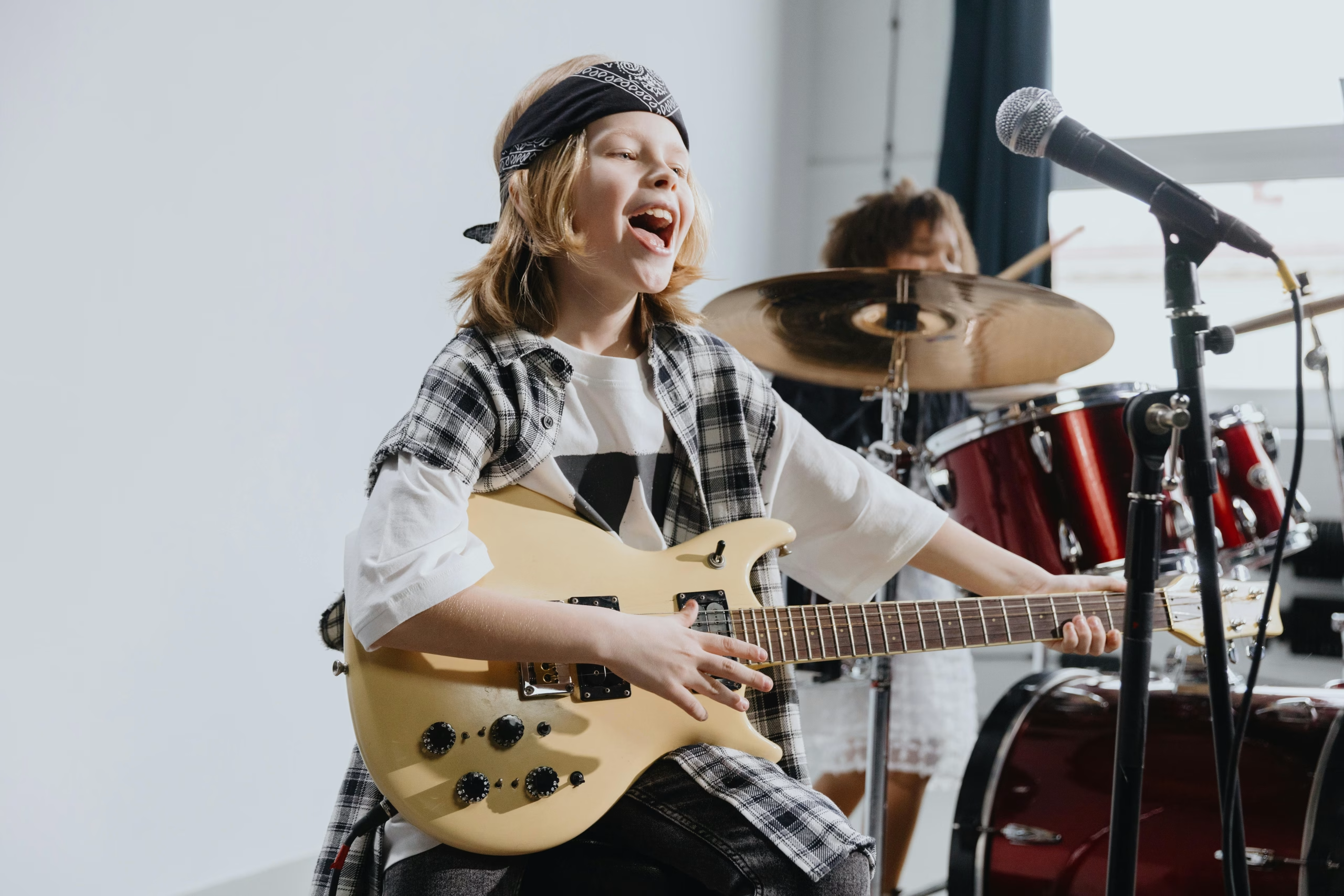
When young singers start noticing their voices cracking, feeling different, or suddenly dropping (or rising) in pitch, it can be confusing and sometimes discouraging. Parents often wonder whether it’s a good time to start singing lessons or if they should wait until things “settle.” The good news is that it’s not only safe for kids and teens to keep singing through these changes, but it can actually be one of the best things they do for their long-term vocal health.
At The Lesson Studio in Boulder, our voice teachers work with many students whose voices are transitioning. They help young singers stay confident, learn healthy technique, and enjoy music through every stage of growth.
Understanding the Changing Voice
What’s Actually Happening
During adolescence, a singer’s voice is adjusting to new physical growth. The vocal folds (or vocal cords) lengthen and thicken, and the larynx (voice box) grows larger. This process can affect pitch, tone, and control. For boys, this often means the voice becomes lower and richer over time. For girls, the change is typically subtler, with a slight deepening of tone and increased range or flexibility.
The process can feel unpredictable. One week, a student can sing a song easily; the next, that same note might crack or feel out of reach. It’s completely normal. Think of it as your instrument being rebuilt while you’re still learning to play it.
Signs You Might Notice
Parents and students usually notice signs like:
- Cracking or sudden pitch breaks
- Hoarseness or fatigue after singing
- A voice that feels “scratchy” or inconsistent
- Struggling to sing high or low notes that used to be easy
Emotionally, this can be frustrating. A young singer might feel embarrassed in choir or hesitate to perform. At The Lesson Studio, teachers remind students that these changes are temporary and that every professional singer has gone through them too.
What Voice Teachers Recommend During Voice Change
Keep Singing
One of the biggest misconceptions is that young singers should stop lessons until their voices “settle.” In reality, continuing to sing with the right guidance is beneficial. Stopping entirely can cause loss of coordination, and restarting later can make things more difficult.
Voice teachers help students adapt their exercises and song choices so that singing stays comfortable and healthy. A teacher might lower a song’s key, choose gentler warmups, or focus on breathing and relaxation.
A former student once shared that she nearly quit choir because her voice “didn’t sound right anymore.” After a few lessons focusing on breath control and gentle resonance work, she found that her voice felt stronger and smoother. She eventually went on to audition for a local musical with renewed confidence.
Warm Up Wisely
Adolescent singers should use simple, light exercises instead of trying to push their full range. Warmups that slide between pitches or use gentle humming are perfect for this stage. Lip trills, sirens, and relaxed scales help students stay connected to their natural tone without strain.
A good teacher at The Lesson Studio will remind young singers that consistency matters more than volume or power. A few focused minutes of healthy practice can do far more good than forcing big notes.
Choose Repertoire That Fits
It’s important to pick songs that sit comfortably in the student’s current range. That might mean transposing (changing the key) to make the song lower or higher. It also means avoiding songs that are too demanding or sit at the very top or bottom of the voice.
Our instructors often create custom playlists for students in transition. They include songs that are expressive but safe to sing, helping kids stay motivated while learning about their changing voice.
Prioritize Vocal Health
During this time, it’s easy to push too hard or overuse the voice, especially if a student is also involved in choir, theater, or sports that require shouting. Teachers encourage hydration, good posture, and vocal rest when needed.
One teacher at The Lesson Studio likes to compare it to sports training: if your body is growing and your muscles are adjusting, you wouldn’t run a marathon every day. You’d train smart, rest, and listen to your body. The same applies to singing.
How The Lesson Studio Supports Young Singers
Tailored Lessons for Every Student
Every voice is unique, and that’s especially true during adolescence. The Lesson Studio offers one-on-one lessons designed around each student’s stage of development. Teachers guide singers through exercises that support comfort, range, and expression without forcing their voices.
Experienced Instructors Who Specialize in Youth Voices
The studio’s instructors have extensive experience working with children and teens. They know how to keep lessons positive, flexible, and educational. Students are encouraged to explore their voice, experiment safely, and develop confidence through every stage of growth.
If you’re a parent looking for a supportive environment for your child, you can read more about the studio’s voice programs and faculty at The Lesson Studio.
Building Confidence and Self-Awareness
A key part of singing lessons is emotional support. Adolescents are dealing with more than just physical changes; they’re also building identity and self-esteem. Teachers at The Lesson Studio focus on celebrating small wins, helping students find joy in their progress, and reframing mistakes as part of learning.
One teacher recalls a student who came in shy and hesitant after his voice started dropping. Over the course of a few months, he learned to navigate his new range and even performed a song he wrote himself at a student recital. His voice might have been changing, but his confidence grew tenfold.
Open Communication with Parents
Parents often have questions about what’s normal during voice change. The Lesson Studio encourages open communication between parents, teachers, and students. Instructors will let parents know if a student needs extra rest, new music, or adjustments in lesson structure.
Tips for Parents and Students Before Starting Lessons
1. Ask About the Teacher’s Experience
When reaching out to book lessons, ask if the teacher has experience with changing voices. A knowledgeable teacher will know how to adapt lesson plans and keep students safe.
2. Start with a Trial Lesson
A trial lesson is a great way to see if the student feels comfortable and supported. It also gives the teacher a chance to evaluate the singer’s current range and make personalized recommendations.
3. Set Realistic Practice Goals
During this stage, short and consistent practice sessions are ideal. Ten to fifteen minutes of mindful singing is better than an hour of pushing through fatigue.
4. Expect Changes and Stay Flexible
The voice might sound different from week to week. This is completely normal. Encouraging flexibility and patience helps the singer focus on progress rather than perfection.
5. Encourage Self-Expression
Adolescence is a time for discovery. Encourage your child to explore different music styles or even write their own songs. Singing lessons are not just about technique; they’re about creativity and confidence.
Frequently Asked Questions
Is it safe to take lessons while the voice is changing?
Yes. With proper guidance, singing lessons during adolescence help develop healthy habits that protect the voice long term.
Will singing cause more cracking or strain?
Cracking is normal during this phase. A teacher can show the student how to manage transitions smoothly and reduce strain.
What if my child’s range shrinks?
It’s temporary. As the body adjusts, the voice will often come back stronger and more resonant.
How long does the change last?
Every student is different, but most experience noticeable change for one to two years. Lessons during this time can make the transition smoother.
When should we start?
It’s never too early to start with healthy technique. You can contact The Lesson Studio to learn more or schedule a trial lesson today.
Final Thoughts
The changing voice is a natural and exciting part of growing up. With the right support, it doesn’t have to be intimidating. In fact, it can be a time of discovery, creativity, and growth as young singers learn to connect with their evolving instrument.
At The Lesson Studio, our teachers help students navigate this stage with care, patience, and encouragement. Whether your child is just starting out or already loves to sing, our personalized lessons in Boulder will help them build confidence, strengthen technique, and fall in love with music all over again.
If you’re ready to help your child begin their musical journey, visit The Lesson Studio to schedule a voice lesson or learn more about our programs.

Coming Back as an Adult to Music Lessons: Why It Will Be Much Better and More Consistent This TIme
IntroductionFor many adults, the thought of returning to music lessons stirs up a mix of nostalgia and hesitation....

Best Practices for Piano Lessons for Kids Ages 5 to 7 — and How to Find the Right Teacher
IntroductionIntroducing a child to piano between the ages of 5 and 7 can be the beginning of a lifelong relationship...

How to Improve Singing in a Teenage Rock Band
IntroductionIf you’re a teenager singing in a rock band or hoping to join one, having a strong voice, confidence, and...

Why You Should Become a Bass Player Instead of a Guitar Player
[pac_divi_table_of_contents included_headings="off|off|on|off|off|off" title_container_bg_color="#E09900"...

How Do I Improve My Drum Techniques to Play in a Band?
[pac_divi_table_of_contents included_headings="off|off|on|off|off|off" title_container_bg_color="#E09900"...

Acoustic vs Electric Guitar: Key Differences Explained
[pac_divi_table_of_contents included_headings="off|off|on|off|off|off" title_container_bg_color="#E09900"...